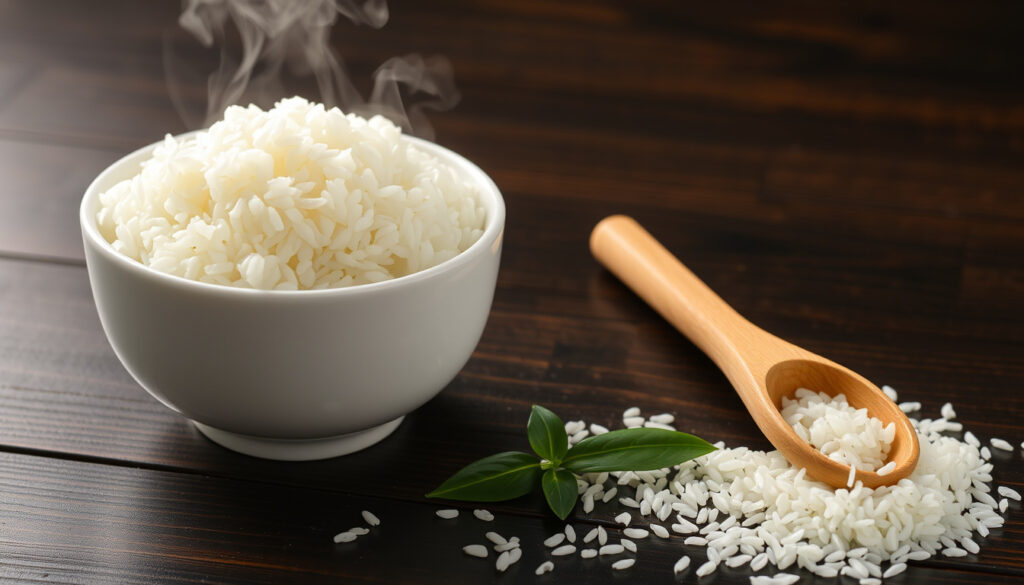
Jasmine Rice: Cooking, Health, and Comparison Guide
Anyone who’s opened a bag of jasmine rice knows that first hit of floral aroma—it’s hard to mistake for plain white rice. This fragrant long-grain variety from Thailand brings a softer, stickier texture to meals, but also raises real questions about nutrition and blood sugar. Below, we sort through the science, the cooking methods, and the comparisons so you can decide where jasmine rice fits on your plate.
Global production share: Thailand produces over 10 million tonnes of jasmine rice annually. ·
Typical cooking time: 12–15 minutes on stovetop. ·
Water ratio for stovetop: 1:1.25 (rice to water). ·
Average price per kg (US): $3.50–$5.00.
Quick snapshot
- Long-grain fragrant rice from Thailand (Healthline)
- Natural aroma of pandan (vanilla-like) (Healthline)
- Slightly sticky when cooked (Healthline)
- Rinse before cooking (Healthline)
- 1:1.25 water-to-rice ratio (Healthline)
- Simmer 12-15 min, rest 5 min (Healthline)
- High glycemic index (~70-80) (Healthline)
- White version is low in fiber (Healthline)
- Brown jasmine is healthier variant (Healthline)
- Jasmine softer, Basmati drier
- Both are long-grain aromatic rices
- Different cuisines: SE Asia vs South Asia
Five key facts to know at a glance:
| Fact | Value |
|---|---|
| Origin | Thailand |
| Grain type | Long-grain |
| Aroma compound | 2-acetyl-1-pyrroline (same as pandan) |
| Calories per cup (cooked) | ~205 kcal |
| Glycemic index | 68-80 (high) |
How is jasmine rice different from regular rice?
Aroma and texture differences
- Jasmine rice gets its signature scent from 2-acetyl-1-pyrroline, the same compound that gives pandan leaves their fragrance, according to Healthline (nutrition resource).
- Standard long-grain white rice is neutral in aroma and cooks up drier and more separate.
- Jasmine rice absorbs slightly more water and releases starch during cooking, creating a softer, stickier bite.
Grain length and stickiness
- Both are long-grain, but jasmine grains are more slender.
- Because jasmine rice is often polished (bran and germ removed), it behaves like a refined white rice.
- Whole-grain jasmine rice (brown, red, or black) keeps the bran and provides more fiber and nutrients, notes Healthline.
Jasmine rice’s soft, slightly sticky texture makes it perfect for Southeast Asian dishes, but that same starchiness contributes to a higher glycemic response than drier long-grain rices.
The takeaway: jasmine rice starts as a whole grain but is most often sold as a refined white rice, which strips away fiber and some micronutrients. The difference from “regular” white rice is mainly aroma and texture, not a fundamentally different nutritional profile.
What is better, jasmine or basmati rice?
Flavor profile comparison
- Jasmine rice has a floral, pandan-like aroma; basmati rice smells nutty and earthy.
- Basmati grains elongate more during cooking and remain separate and firm; jasmine grains stay plumper and clump together.
Cooking uses for each
- Jasmine is the go‑to for Thai, Vietnamese, and other Southeast Asian cuisine.
- Basmati pairs with Indian, Pakistani, and Middle Eastern dishes such as biryani and pilaf.
- Both can be used interchangeably in plain sides, but the texture difference matters for specific recipes.
Nutritional differences
- Both are primarily carbohydrate (about 45 g of carbs per cooked cup, per Stanford Medicine (academic health center)).
- Basmati rice generally has a lower glycemic index (50–58) than jasmine (68–80), making it a better choice for blood sugar management, according to MDVIP (physician network).
- Neither rice is a significant source of protein or fat in a standard serving.
Three varieties, one pattern: aroma and GI separate them more than basic calorie counts.
| Rice type | Aroma | Texture | Glycemic index | Best for |
|---|---|---|---|---|
| Jasmine white | Floral, pandan | Soft, slightly sticky | 68-80 | Southeast Asian dishes |
| Basmati white | Nutty, earthy | Firm, separate grains | 50-58 | South Asian, Middle Eastern dishes |
| Standard long-grain white rice | Neutral | Dry, fluffy | ~70-75 | All‑purpose sides, casseroles |
The pattern: basmati wins for blood‑sugar control; jasmine wins for flavour complexity. Neither is “better” overall—it depends on the cuisine and the health priority.
How do you cook jasmine rice?
The right water ratio and resting time transform jasmine rice from a gummy mess into fluffy, individual grains that still hold that signature fragrance.
Stovetop method with water ratio
- Rinse 1 cup of jasmine rice in a fine‑mesh sieve under cold water until the water runs mostly clear (removes excess starch).
- Combine rice and 1¼ cups water in a saucepan with a tight‑fitting lid.
- Bring to a boil, then reduce heat to low, cover, and simmer for 12–15 minutes.
- Remove from heat and let it sit, covered, for 5 minutes. Fluff with a fork.
The method aligns with guidance from Healthline (nutrition resource) and The Joint Chiropractic (consumer health site).
Rice cooker instructions
- Use the same 1:1.25 rice‑to‑water ratio.
- Rinse the rice first, then add to the cooker bowl.
- Select the “white rice” setting if available; jasmine cooks in about 20 minutes in most rice cookers.
- Let the cooker switch to “warm” and rest 5 minutes before opening.
Common mistakes and fixes
- Too much water: leads to mushy rice. Stick to 1¼ cups water per cup of rice.
- Skipping the rinse: leaves surface starch that causes clumping. Rinse until water runs clear.
- Lifting the lid too early: releases steam needed for even cooking. Keep the lid on during simmer and rest.
- No resting time: results in wet, uneven texture. Always rest covered for 5 minutes after cooking.
The catch: jasmine rice is forgiving but the difference between fluffy and sticky is the rest step—most cooks skip it and regret it.
Is jasmine rice a healthier rice?
Nutritional composition
- One cup of cooked white jasmine rice contains about 205 calories, 45 g of carbohydrates, and less than 1 g of fiber, according to Stanford Medicine (academic health center).
- Refined grains like white jasmine rice are permitted in dietary guidance, but the U.S. Dietary Guidelines for Americans (national health policy) recommend that at least half of grain intake come from whole grains.
- Some marketing claims about iron and B‑vitamin content depend on fortification and processing, and are not guaranteed for all brands, cautions The Joint Chiropractic (consumer health site).
Glycemic index comparison
- Jasmine rice has a high glycemic index (68–80), meaning it raises blood sugar faster than lower‑GI alternatives like basmati or brown rice.
- Some sources place jasmine’s GI around 45–50 depending on brand and cooking method, but those figures are disputed, per DiabeSmart (health blog).
- For people managing diabetes or prediabetes, the high GI of white jasmine rice is a concern.
Brown jasmine rice benefits
- Brown jasmine rice retains the bran and germ, which boosts fiber (about 3 g per cup) and provides more B vitamins, magnesium, and antioxidants.
- Whole‑grain jasmine rice also has a lower GI than the white version, making it a better choice for metabolic health, as noted by Healthline.
- The U.S. FDA (food regulatory agency) provides guidance on whole‑grain labeling, helping consumers identify true whole‑grain products.
White jasmine rice is not “unhealthy,” but its high GI and low fiber mean it should be treated as an occasional refined grain, not a daily staple for those managing blood sugar.
The implication: jasmine rice is a refined grain when bought white; the brown version flips the script and adds meaningful fiber. The health question is really about grain type, not brand.
What is the king of all rice?
Basmati’s claim to the title
- Basmati rice is often called the “king of rice” because of its exceptional elongation (grains double in length during cooking) and nutty aroma.
- It has been cultivated in the Indian subcontinent for centuries and carries a GI advantage over jasmine.
Cultural significance
- Jasmine rice is sometimes referred to as the “queen” of rice in Thailand, prized for its fragrance and status in traditional dishes.
- Both varieties have geographical indications: basmati from India/Pakistan and jasmine from Thailand.
Other contenders
- Arborio rice (used in risotto) and glutinous rice (used in desserts) have strong cultural claims but lack the global reach of basmati and jasmine.
- The title depends on context—basmati for aroma and elongation, jasmine for perfume, short‑grain for sushi versatility.
The trade‑off: if you prize elongation and dry texture, basmati is the “king”; if you want floral aroma and a softer bite, jasmine wears the crown.
Confirmed facts
- Jasmine rice is a fragrant long‑grain rice from Thailand.
- It has a higher glycemic index than basmati rice.
- Soaking is optional but rinsing is recommended.
What’s unclear
- Exact health impact of jasmine rice compared to other white rices in a long‑term diet remains uncertain because most studies lump all white rices together.
Jasmine rice is a fragrant long‑grain rice commonly compared with other white rices because it is often sold as polished, refined grain rice.
Healthline (nutrition resource)
For the perfect stovetop jasmine rice, use 1¼ cups water for every 1 cup rice, rinse first, and let it rest covered after cooking.
RecipeTin Eats (culinary authority) (paraphrased from research notes)
Jasmine rice is the perfect accompaniment to Thai curries and stir‑fries because its mild stickiness soaks up sauces without becoming mushy.
For the average home cook in the U.S., the choice between jasmine, basmati, and standard white rice comes down to two things: the dish you’re making and your health goals. If you eat rice a few times a week and don’t track blood sugar, jasmine white is a delicious staple. If you’re managing diabetes or trying to increase fiber, brown jasmine or basmati are clearly better. The implication for shoppers is straightforward: read the label for whole‑grain claims and don’t assume “jasmine” automatically means healthier than other white rices.
Related reading: How Much Caffeine in Tea? Compare Tea v Coffee & Health Effect
reddit.com, wholegrainscouncil.org, draxe.com, sciencedirect.com, irelandledger.net
Frequently asked questions
What is the difference between jasmine rice and white rice?
Jasmine rice is a specific variety of white rice with a floral aroma and softer, slightly stickier texture. Regular white rice refers to any polished long‑grain rice without the distinct pandan fragrance.
Is jasmine rice gluten‑free?
Yes, all rice, including jasmine, is naturally gluten‑free.
Can I cook jasmine rice in a rice cooker?
Absolutely. Use the same water‑to‑rice ratio (1:1.25) and select the white rice setting. Let it rest after cooking.
How long does jasmine rice take to cook?
Stovetop: 12–15 minutes of simmering plus 5 minutes rest. Rice cooker: about 20 minutes.
Does jasmine rice need to be rinsed?
Rinsing is recommended to remove excess starch and reduce stickiness. Soaking is optional but can improve texture.
Why is jasmine rice called jasmine rice?
It is named after the jasmine flower because of its fragrant aroma, though the scent comes from the compound 2‑acetyl‑1‑pyrroline, not from actual flowers.
What dishes go best with jasmine rice?
Thai curries, Vietnamese spring rolls, stir‑fries, and any saucy dish where a soft, fragrant rice enhances the flavors.
More related posts
 Vivien Leigh: Biography, Death Cause, and Legacy
 Christina Koch: Biography, Artemis II, Salary, and Personal Life
 Morse Code Guide: How to Say I Love You, Hi, and More
 Ant Anstead: Relationships, Net Worth, Age, and Career
 Bianca Belair: Why She’s Absent from WWE Right Now
 S&P 500 Today: Index Price, News & Investment Guidance
 Davy Crockett: Frontiersman, Politician, and Alamo Legend
 Isabel Hodgins: Emmerdale Exit, Baby, Partner, Net Worth & Age