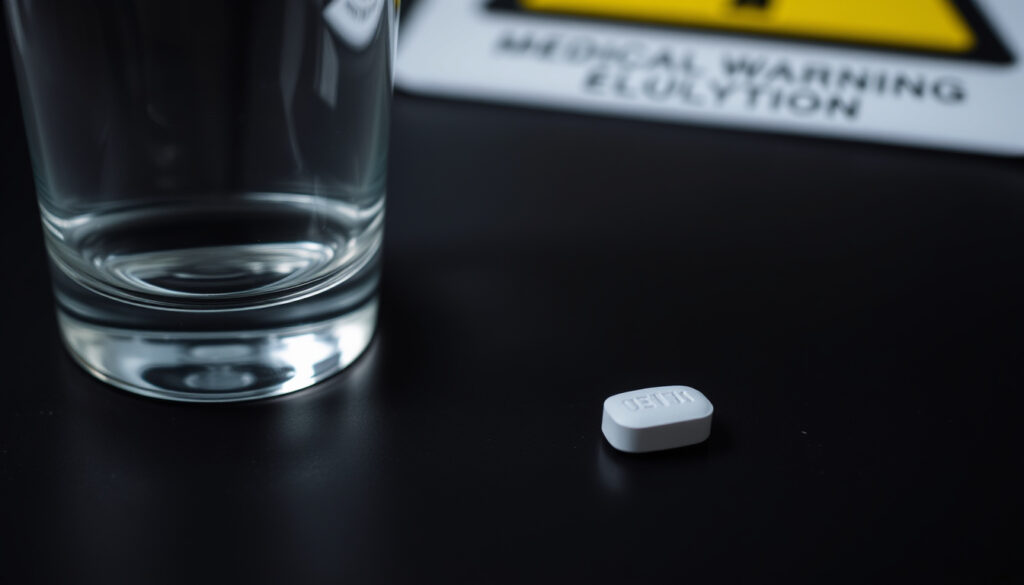
Leah Betts Cause of Death: Water Intoxication & Ecstasy Legacy
When 18-year-old Leah Betts collapsed in her Essex home on November 1995 after taking a single ecstasy tablet at a club called Sorted and drinking several glasses of water to quench the drug-induced thirst, the story became one of the most misremembered cautionary tales in British drug history—a chain reaction that led to fatal brain swelling. Thirty years later, the real lesson is still being untangled from the myth, and it has less to do with the pill itself than with the water.
Age at death: 18 ·
Date of incident: 11 November 1995 ·
Cause of death (official): Hyponatremia (water intoxication) leading to cerebral edema ·
Drug consumed: Ecstasy (MDMA) ·
Location: Basildon, Essex
Quick snapshot
- Leah Betts died from water intoxication (hyponatremia) causing brain swelling (Wikipedia (encyclopedia))
- She drank approximately 2–2.5 liters of water within 90 minutes after taking ecstasy (The Independent (UK news))
- The inquest ruled misadventure (Wikipedia (encyclopedia))
- Exact MDMA content of the pill she took (never independently tested)
- Whether a different water intake would have changed the outcome
- Total water consumption beyond the initial 90-minute window (estimates vary)
- November 2025: BBC publishes 30-year retrospective, reframing the death as a water-intoxication case (BBC News (UK broadcaster))
- Ongoing debate on drug-education messaging: scare tactics vs. harm reduction, with the Betts case at the centre
The table below summarises the key biographical and legal details of the case that continue to shape public understanding.
| Attribute | Value |
|---|---|
| Full name | Leah Sarah Betts |
| Date of birth | 13 October 1977 |
| Date of death | 16 November 1995 |
| Age at death | 18 |
| Cause of death | Hyponatremia due to water intoxication, secondary to MDMA consumption |
| Inquest verdict | Misadventure |
| Inquest date | January 1996 |
What was Leah Betts’ cause of death?
Leah Betts died from hyponatremia – water intoxication – which caused her brain to swell fatally. The chain began when she took a single ecstasy pill at a club, then drank a large volume of water to quench the drug-induced thirst. Ecstasy (MDMA) triggers excessive thirst and impairs the kidneys’ ability to excrete water, leading to dangerously low sodium levels. The inquest in January 1996 recorded a verdict of misadventure, and the coroner stated that death was “due to water intoxication.” The BBC also confirmed in its 2025 retrospective that water intoxication was the direct cause, not ecstasy toxicity alone.
The cause of death is frequently misattributed to an ecstasy overdose. In reality, the drug set off a physiological chain that made water deadly. This distinction matters for drug-education campaigns that still cite the case.
The implication: separating the actual mechanism from the myth is not just academic — it determines how drug-safety messages are designed and whether they save lives.
How much water did Leah Betts consume?
According to inquest testimony, Leah Betts drank an estimated 2 to 2.5 liters of water within a span of about 90 minutes after returning home from the club. That volume is excessive relative to her body’s sodium-regulation capacity, especially under the influence of MDMA. A forensic toxicology report (medical expert source) gave a higher estimate of around 7 liters, but the inquest settled on the lower range. Contemporary reporting noted that doctors believed she “may have drunk too much water” – a theory later confirmed.
The water amount is the single most cited statistic in the case. Yet public memory often inflates the number. Knowing the actual figure (2–2.5 L) corrects the myth that she “drank gallons” – and underscores how even modest overhydration can be lethal when kidneys are compromised.
The pattern: the more precise the water-intake figure becomes in public discourse, the more the narrative shifts from “ecstasy killed her” to “the combination of MDMA and water created a specific, preventable physiological crisis.”
Who was Leah Betts’ dad?
Leah’s father, Paul Betts, became a reluctant public figure after her death. He and his wife Janet initially authorised the iconic “Sorted” poster – which featured Leah’s school photo and the slogan “One pill can kill” – distributed in nightclubs across the UK. But in later years, Paul Betts shifted his message. He publicly argued that the emphasis on ecstasy toxicity was misleading and that his daughter’s death was ultimately caused by water, not the drug itself (Anyone’s Child (drug-reform campaign group)).
What club was Leah Betts in?
On the evening of 11 November 1995, Leah Betts attended Sorted, a nightclub in Basildon, Essex. There she purchased and consumed one ecstasy pill. After returning home, she began drinking water to relieve the intense thirst that MDMA induces. Reports noted that the sequence of events – pill, water, collapse – happened within a few hours.
Leah Betts’ legacy 30 years after ecstasy drug death in Essex
Thirty years after her death, the Leah Betts case remains a flashpoint in drug-policy debates. The BBC published a major retrospective on 15 November 2025, noting that her legacy now centres on the danger of water intoxication rather than the drug itself. The Spectator (UK current-affairs magazine) echoed this, pointing out that the “one pill can kill” campaign has gradually been replaced by harm-reduction messages that warn ecstasy users about overhydration. Paul and Janet Betts, once the faces of a zero-tolerance poster, now advocate for evidence-based education that includes the full medical picture.
What this means: the Betts story has come full circle — from a warning about a single pill to a case study in why precise, evidence-based messaging matters more than memorable slogans.
Timeline of events
- 11 November 1995 (evening): Leah Betts attends Sorted nightclub in Basildon, purchases and consumes one ecstasy pill.
- 11 November 1995 (late night): Returns home; feeling thirsty, drinks ~2–2.5 liters of water over 90 minutes.
- 12 November 1995 (early morning): Becomes unwell with severe headache, vomiting, collapses.
- 12 November 1995: Rushed to hospital; diagnosed with hyponatremia and cerebral edema.
- 16 November 1995: Leah Betts dies in hospital.
- January 1996: Inquest records verdict of misadventure; cause: water intoxication.
- 1996–1997: The “Sorted” poster campaign features her photo with the slogan “One pill can kill.”
- 2000s onward: Paul Betts shifts public message to emphasize water intoxication instead of ecstasy toxicity.
- 15 November 2025: BBC publishes “Leah Betts’ legacy 30 years after ecstasy drug death in Essex.”
Separating fact from misunderstanding
Confirmed facts
- Leah Betts died from water intoxication (hyponatremia) causing brain swelling.
- She drank approximately 2–2.5 liters of water within 90 minutes after taking ecstasy.
- The inquest ruled misadventure.
- Ecstasy consumption induced excessive thirst and impaired kidney function.
What remains unclear
- The exact amount of MDMA in the pill she took (never independently tested)
- Whether a different water intake would have changed the outcome
- Total water consumption beyond the initial 90-minute window (some estimates vary)
- The precise timeline of symptoms after water consumption (recalled from hospital notes)
What they said
“Death was due to water intoxication.”
— Coroner at the inquest, January 1996
“If she had just taken the ecstasy and not drunk the water, she would probably be alive today.”
— Paul Betts, father, in media interviews
Dr. John Henry, a toxicologist at Guy’s Hospital, testified that Leah Betts might have survived if the drug had been taken differently, suggesting the water overload was the decisive factor.
— According to a social media post citing inquest testimony (Facebook (social media post))
For UK drug-education bodies, the choice is clear: continue citing the Leah Betts case as a warning about ecstasy toxicity – and risk perpetuating a medical inaccuracy – or reframe it as a case of water intoxication that teaches a more nuanced lesson about harm reduction. Thirty years on, the evidence is on the side of accuracy.
Frequently asked questions
What is hyponatremia and how does ecstasy cause it?
Hyponatremia is a dangerously low sodium level in the blood. Ecstasy (MDMA) triggers excessive thirst and impairs the kidneys’ ability to excrete water. When combined with high water intake, sodium levels drop, causing brain swelling.
Did Leah Betts die directly from ecstasy?
No. The official cause of death was hyponatremia (water intoxication), not ecstasy overdose. The drug initiated the chain of events, but the direct fatal mechanism was water-induced brain swelling.
Where is Leah Betts buried?
Leah Betts is buried in St Mary the Virgin Churchyard in Latchingdon, Essex, near the family home.
What was the “Sorted” campaign?
The “Sorted” campaign was a UK anti-drug initiative launched after Leah’s death. It featured her school photograph with the slogan “One pill can kill” and was distributed in nightclubs. Later criticised for oversimplifying the cause, it is now often contrasted with harm-reduction approaches.
How did Paul Betts change his message over time?
Initially supporting the “Sorted” poster, Paul Betts later argued that the focus on ecstasy toxicity was misleading. He publicly stated that his daughter died because of water intake, not the drug itself, and advocated for more accurate drug education.
Is water intoxication common with ecstasy?
Yes, water intoxication is a recognised risk among ecstasy users. MDMA promotes thirst and reduces kidney function, making overhydration dangerous. Harm-reduction advice now recommends drinking no more than 500 ml of water per hour when using the drug.
What was the verdict at the inquest?
The inquest returned a verdict of misadventure, concluding that Leah Betts died from water intoxication (hyponatremia) secondary to MDMA consumption.
More related posts
 Sally Rooney: The Story Behind Her Books and Marxist Views
 Traitors US Season 3: Winners, Cast, Recap & Spoilers
 Basketball Hoop Guide Ireland: Where to Buy & Install
 Check Motor Tax Ireland: Online Status, PIN & 2026 Rates
 Sheryl Crow: Relationship, Health, Surgery Answers
 Bianca Censori Grammys 2025 – Red Carpet Outfit and Controversy
 Yasmine Bleeth: Life After Baywatch and Happiness
 Megan Fox: Biography, Body Dysmorphia, MGK, Children