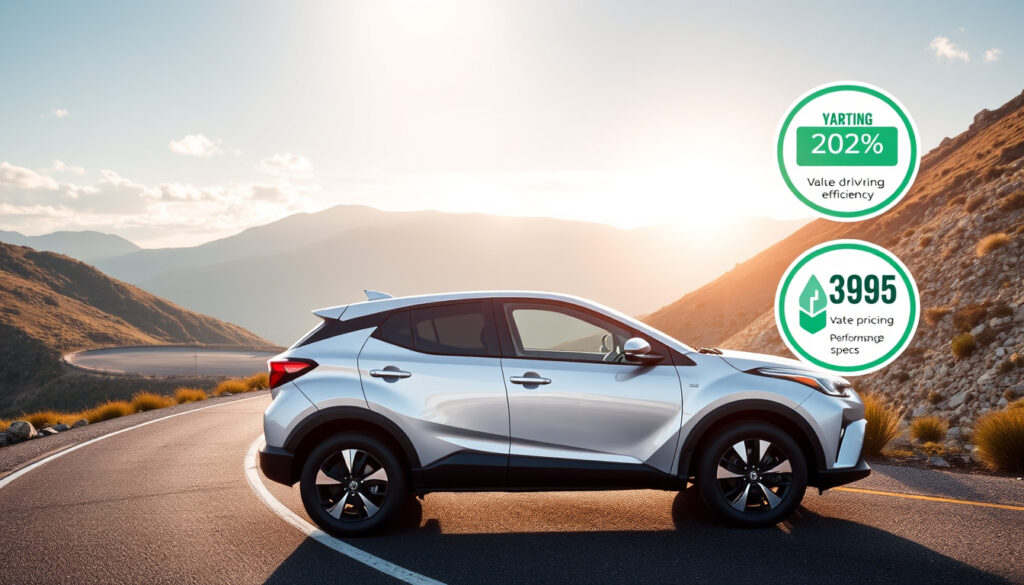
Toyota Yaris Cross Hybrid – Price Review Specs Guide 2025
The Toyota Yaris Cross Hybrid has emerged as a compelling option in the compact SUV segment, offering drivers a blend of economical performance, Toyota’s celebrated reliability, and practical hybrid technology. Since its introduction, this compact crossover has positioned itself as a sensible choice for those seeking low running costs without compromising on everyday usability. With UK prices spanning from around £27,000 to £35,000 and a reputation for efficiency, the Yaris Cross Hybrid enters a competitive market against models like the Renault Captur Hybrid and Ford Puma.
Reviewers have consistently noted the model’s strengths in urban environments, where its self-charging hybrid system proves most advantageous. The vehicle’s ability to operate in electric mode at lower speeds contributes to its appeal among commuters and city drivers. However, questions remain about its suitability for various needs, from pricing structure to long-term reliability concerns that prospective buyers may have.
This comprehensive guide examines the key aspects potential buyers need to know, from trim levels and specifications to known issues and maintenance considerations. Whether evaluating it against rivals or simply exploring options in the compact SUV category, understanding the Yaris Cross Hybrid’s full profile helps inform a purchasing decision.
What is the Toyota Yaris Cross Hybrid Review?
| Feature | Details | Icon | Source |
|---|---|---|---|
| Powertrain | 1.5 Hybrid 130 (130hp) | ⚡ | carwow.co.uk |
| Fuel Economy | 62.2–62.8mpg official, 66.5mpg real-world | ⛽ | businesscar.co.uk |
| 0-62mph Time | Approximately 10 seconds | 🏎️ | rac.co.uk |
| UK Starting Price | From £27,095 (Icon trim) | 💷 | carwow.co.uk |
The Hybrid 130 system represents Toyota’s most recent upgrade to the range, delivering increased power compared to the standard 116hp variant. The compact SUV format provides advantages in urban manoeuvrability while maintaining reasonable interior space. Owner feedback highlights certain concerns around interior design and rear passenger accommodation that warrant consideration. The available AWD-i system remains a distinguishing feature in a segment where all-wheel drive options remain relatively rare.
Performance and Driving Experience
The driving experience in the Yaris Cross Hybrid centres on refinement and ease of use rather than sporty performance. The CVT automatic gearbox delivers power smoothly, and the vehicle operates quietly in electric mode at speeds up to approximately 30mph. This makes it particularly well-suited to stop-start urban traffic where the hybrid system can maximise its efficiency benefits. Acceleration proves adequate for most driving situations, with the 0-62mph time of around 10 seconds sufficient for practical needs.
Economy and Emissions
Official fuel economy figures of 62.2 to 62.8mpg place the Yaris Cross Hybrid among the more economical options in its class. Notably, real-world testing has shown figures reaching 66.5mpg, occasionally exceeding the official ratings. CO2 emissions range from 100 to 117g/km, resulting in a 25% benefit-in-kind rating for company car drivers. Monthly BIK costs between £112 and £224 make it an attractive proposition for business users seeking to minimise tax liabilities.
| Attribute | Value | Notes |
|---|---|---|
| Models Available | Icon, Design, Excel, GR Sport, Premiere Edition | Five distinct trim levels |
| Price Range | £27,095–£35,295 | Varies by trim and powertrain |
| Top Speed | Approximately 105–110mph | Depending on variant |
| Hybrid System | 1.5-litre petrol-electric self-charging | No plug-in option available |
| Boot Space | 350 litres | Competitive for segment |
| Length | Approximately 4.18 metres | Compact for urban use |
Toyota Yaris Cross Hybrid Price and UK Availability
New on-the-road prices for the Toyota Yaris Cross Hybrid range from £27,095 to £35,795 depending on specification and powertrain choice. The entry-level Icon trim starts at £27,095, positioning the model around £1,000 higher than the base Renault Captur Hybrid. However, proponents argue that the Toyota’s stronger residuals and superior efficiency make it better value across the vehicle’s lifetime. Used prices currently begin from approximately £13,900, offering an alternative route for budget-conscious buyers.
Monthly finance arrangements typically range from £242 to £343 based on 36-month lease agreements with 8,000 miles annually. The P11D value for the Design FWD stands at £26,890, with residuals at 55.4% and a total cost of 32.09 pence per mile according to business fleet analysis. These figures position the Yaris Cross competitively against rivals including the Nissan Juke, Peugeot 2008, and Ford Puma.
Trim Level Pricing Breakdown
| Trim | Powertrain | Starting Price | Notes |
|---|---|---|---|
| Icon | 1.5 Hybrid (116hp) | £27,095–£27,295 | Keyless entry, 9-inch infotainment, 16-inch alloys |
| Design | 1.5 Hybrid (116hp) | £28,875–£29,725 | Best value per specification, up to 62.8mpg |
| Excel | 1.5 Hybrid 130 (130hp) | £32,895–£33,130 | Higher specification, panoramic roof option +£500 |
| GR Sport | 1.5 Hybrid 130 (130hp) | £33,045–£34,595 | Sportier styling, advanced safety features |
| Excel AWD-i | 1.5 Hybrid 130 AWD (130hp) | £35,295 | All-wheel drive with rear electric motor |
The Design trim often represents the best value proposition, combining the efficient 116hp hybrid system with a comprehensive standard specification at a lower price point than the higher-powered variants. Prospective buyers should consider whether the additional power of the Hybrid 130 system justifies the premium, particularly if primarily driving in urban conditions.
Toyota Yaris Cross Hybrid Models and Variants
Toyota offers the Yaris Cross Hybrid across five distinct trim levels, each catering to different priorities and budgets. The range spans from the practical Icon entry point through to the specification-laden Premiere Edition. Understanding the distinctions between variants helps buyers identify which configuration best matches their requirements.
Entry-Level and Mid-Range Options
The Icon model serves as the starting point, featuring keyless entry, a 9-inch touchscreen infotainment system, and 16-inch alloy wheels. Stepping up to the Design trim adds enhanced interior materials and improved equipment levels while maintaining the efficient 116hp hybrid powertrain. Reviewers have identified the Design as offering the most compelling value, delivering strong economy figures of up to 62.8mpg and a 350-litre boot capacity.
Performance and Premium Variants
The Excel and GR Sport models introduce the more powerful Hybrid 130 system, producing 130hp compared to the standard 116hp. This upgraded powertrain provides improved performance for motorway driving while maintaining the efficiency benefits of the hybrid setup. The GR Sport variant adds sportier exterior styling and enhanced safety technologies, appealing to buyers seeking a more dynamic appearance. The 2024 model year also introduced the Premiere Edition at approximately £32,500, representing a limited-production specification with distinctive details.
AWD-i All-Wheel Drive Option
The Excel AWD-i variant stands apart within the range by incorporating Toyota’s all-wheel drive technology. This system adds a rear-mounted electric motor that provides additional traction when conditions require it, making the model particularly suitable for buyers in regions with varied weather patterns. The AWD-i option commands a significant premium but addresses a gap left by many competitors in this segment.
Unlike some rivals, the Yaris Cross Hybrid does not offer a plug-in hybrid variant. This limits the potential benefit-in-kind savings available to company car drivers who might otherwise maximise tax advantages through a plug-in option. Those prioritising maximum BIK efficiency may need to consider alternatives.
Common Toyota Yaris Cross Hybrid Problems
Toyota’s reputation for reliability extends to the Yaris Cross Hybrid, with the model drawing on established hybrid technology that has proven track records across the manufacturer’s range. Service and repair costs over a typical lease term average around £2,287, representing competitive maintenance expenses within the segment. Reviews have noted that no major problems have emerged, with issues typically limited to standard hybrid battery health checks during servicing.
That said, certain aspects have drawn criticism from owners and reviewers alike. The interior design has been described as bland, lacking the visual appeal found in some competing models. Rear passenger space also presents limitations, with legroom that may prove insufficient for adult passengers on longer journeys. These factors represent subjective concerns rather than mechanical failures, but merit consideration during the evaluation process.
Reported Concerns and Limitations
The higher purchase price compared to some rivals requires buyers to weigh upfront costs against long-term efficiency savings. The absence of a plug-in hybrid option means those seeking maximum tax advantages through electric-only driving may find the offering incomplete. Additionally, the continuously variable transmission (CVT) automatic gearbox, while smooth in operation, may not provide the driving engagement some buyers prefer.
Reliability Assessment
Toyota’s full-hybrid system has been characterised as the most frugal in its segment by industry analysts. The self-charging nature of the system eliminates concerns about charging infrastructure, relying instead on regenerative braking and petrol power to maintain battery levels. This approach, while not offering the pure electric range of plug-in hybrids, provides a proven and low-maintenance solution for everyday driving needs.
Toyota Yaris Cross Hybrid Automatic and Maintenance
All Yaris Cross Hybrid models come equipped with a continuously variable automatic transmission as standard. This CVT gearbox delivers power smoothly and contributes to the refined driving experience, particularly in urban conditions where its seamless power delivery proves advantageous. The absence of a manual option reflects the hybrid system’s focus on efficiency optimisation rather than driver engagement.
Servicing and Maintenance Costs
Servicing costs for the Yaris Cross Hybrid prove cheaper than many competitors, with Toyota’s established dealer network providing straightforward maintenance access. The hybrid battery requires no special charging infrastructure, instead maintaining its charge through normal driving patterns and regenerative braking. Annual servicing follows Toyota’s standard intervals, with costs competitive against rivals in the compact SUV segment.
Technology and Safety Features
Standard technology includes a 9-inch touchscreen infotainment system and a 7-inch driver display, providing comprehensive connectivity and information display. Safety equipment proves comprehensive, with reviewers noting class-leading safety credentials as a highlight of the package. The suite of driver assistance systems supports confident driving in various conditions, while the AWD-i variant adds additional traction capability for more challenging environments. Those interested in comparing options may find our review of the Russell Hobbs Air Fryer – Best 2025 Model Reviewed useful for exploring other technology considerations.
Toyota Yaris Cross Hybrid: Timeline and Updates
The Yaris Cross Hybrid has evolved since its initial launch as a compact SUV combining Toyota’s hybrid expertise with the practical body style favoured by many buyers. Key developments have seen the range expand and refine, with updates addressing both performance and specification levels.
- Launch – Introduction of the Yaris Cross as Toyota’s entry into the compact SUV hybrid segment, featuring the standard 116hp hybrid system and front-wheel-drive configuration.
- Hybrid AWD-i Introduction – Addition of the all-wheel-drive variant using Toyota’s AWD-i technology with rear electric motor, addressing demand for enhanced traction capability.
- 2024 Updates – Introduction of the Hybrid 130 powertrain delivering increased power, alongside the GR Sport variant and Premiere Edition limited-production model.
Looking ahead, Toyota has signalled continued investment in hybrid technology, though specific future model plans remain subject to official announcement. For those considering current purchase decisions, the 2024-2025 model range represents the most comprehensive offering to date.
Established Facts and Areas Requiring Further Information
| Confirmed Information | Information Requiring Verification |
|---|---|
| Official specifications from Toyota UK, including power outputs, economy figures, and trim specifications | Precise details of any upcoming model year changes beyond 2024 announcements |
| Pricing structures confirmed by dealers and published reviews across multiple sources | Specific service interval recommendations for high-mileage users |
| Reported problems and reliability data from owner forums and professional reviews | Long-term battery degradation data specific to UK climate conditions |
| Comparison data against named competitors including Captur, Puma, and Juke | Exact residual value projections beyond current projections |
Toyota Yaris Cross Hybrid in Market Context
The compact SUV segment has experienced substantial growth as buyers seek the elevated driving position and practical proportions these vehicles offer. Within this context, the Yaris Cross Hybrid occupies a distinctive position by combining compact dimensions with proven hybrid efficiency. The model competes directly against several established rivals, each offering different priorities in terms of value, specification, and driving experience.
Toyota’s brand positioning around reliability and low running costs provides the Yaris Cross with credibility in a market where ongoing ownership expenses matter significantly. The company’s extensive dealer network and reputation for build quality represent additional factors that influence buyer consideration, particularly for those prioritising hassle-free ownership over the latest technological features.
Expert Sources and Further Reading
“Toyota’s full-hybrid system is the most frugal in segment, with low running costs and strong residuals making it an attractive proposition for both private and business buyers.”
— Business Car Review, Toyota Yaris Cross Review
Information in this guide draws from multiple industry sources including manufacturer data, professional automotive reviews, and fleet analysis publications. Toyota’s official UK pages provide the most authoritative specification details, while independent reviews from Carbuyer, RAC, and Business Car offer complementary perspectives on ownership experience. The Toyota newsroom provides updates on model developments and corporate announcements.
Summary and Buying Recommendations
The Toyota Yaris Cross Hybrid presents a compelling case for buyers prioritising low running costs, strong residuals, and proven reliability in a compact SUV format. The self-charging hybrid system delivers impressive real-world economy, often exceeding official figures, while Toyota’s dealer network ensures straightforward maintenance access. Against competitors, the model offers distinctive advantages through its AWD-i option and the brand’s established reputation for longevity.
Prospective buyers should carefully consider whether the higher purchase price relative to some rivals aligns with their ownership priorities. Those seeking maximum efficiency and minimal maintenance headaches will find the Yaris Cross Hybrid delivers on its promises, while buyers prioritising interior quality or rear passenger space may wish to explore alternatives. The Design trim frequently emerges as the recommended choice for most buyers, balancing specification and value effectively. For additional purchasing guidance across different categories, exploring resources like our Redmi Note 10 Pro – Specs Price Review 2025 may prove useful when researching complementary technology purchases.
Frequently Asked Questions
What is the starting price for the Toyota Yaris Cross Hybrid in the UK?
The entry-level Icon trim starts from £27,095 on-the-road, with prices rising to £35,295 for the Excel AWD-i variant.
What fuel economy can I expect from the Yaris Cross Hybrid?
Official figures range from 62.2 to 62.8mpg, though real-world testing has shown figures reaching 66.5mpg in some conditions.
Does the Toyota Yaris Cross Hybrid have an all-wheel-drive option?
Yes, the Excel AWD-i variant features Toyota’s AWD-i technology with a rear electric motor providing additional traction.
What are the common problems reported with the Yaris Cross Hybrid?
Major mechanical issues remain uncommon. Reported concerns include a bland interior design, limited rear legroom, and no plug-in hybrid option.
Is the Yaris Cross Hybrid suitable for company car use?
Yes, the 25% benefit-in-kind rating and low running costs make it attractive for business users, with monthly BIK between £112 and £224.
What trims are available for the Yaris Cross Hybrid?
Five trims are offered: Icon, Design, Excel, GR Sport, and Premiere Edition, ranging from practical entry-level to premium specification.
How does the Yaris Cross Hybrid compare to the Renault Captur Hybrid?
The Yaris Cross starts around £1,000 higher but offers stronger residuals and superior efficiency over the vehicle lifetime.
What is the boot capacity of the Yaris Cross Hybrid?
The boot offers 350 litres of storage space, competitive within the compact SUV segment.
More related posts
 15th Wedding Anniversary: Crystal Gifts, Symbols & Meaning
 Best Football Shirts 2025: Authentic, Retro & Avoid Counterfeits
 Spider Solitaire 2 Suits: Free Online Guide and Tips
 Maggie Smith Movies and TV Shows – Complete Filmography and Career Guide
 Black Jeans Guide: Best Fits for Men and Women
 Colin Jackson: Biography, Net Worth, Sister, and Career
 How Many State in the USA? 50 or 52? Definitive An wer
 Reese Witherspoon: Relationships, Net Worth & Family Guide