Maestro (2023 Film) – Plot, Cast, Reviews & Netflix Guide
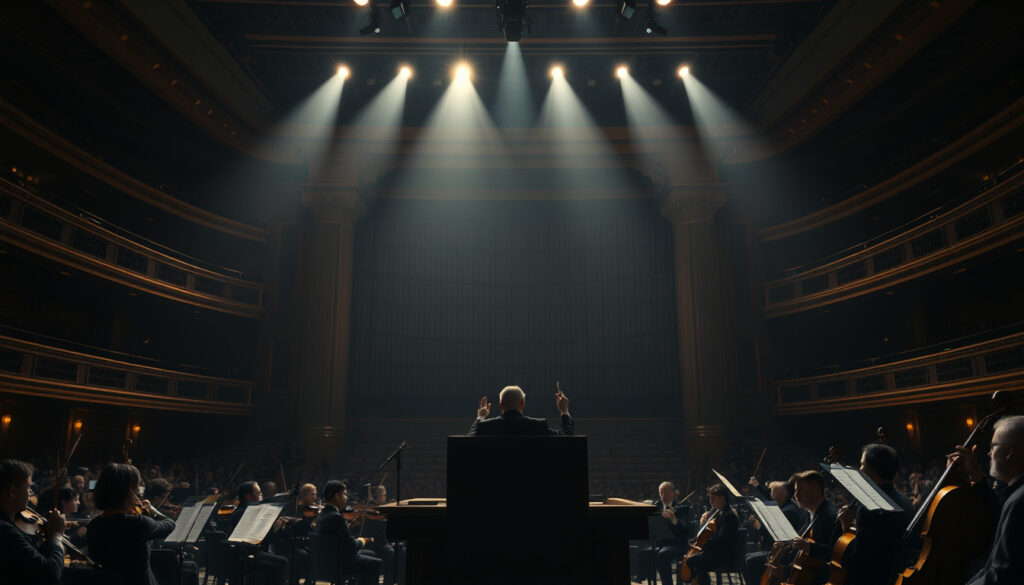
Maestro, a 2023 American biographical romantic drama, chronicles the complex life and legacy of Leonard Bernstein—the celebrated conductor and composer behind iconic works like West Side Story. Directed by and starring Bradley Cooper, the film centers on Bernstein’s decades-long marriage to Chilean actress Felicia Montealegre, portrayed by Carey Mulligan. The production arrived on Netflix following a limited theatrical run, offering audiences an intimate exploration of genius, love, and the personal costs of artistic ambition.
The film traces Bernstein’s meteoric rise from his startling 1943 debut as a 25-year-old assistant conductor with the New York Philharmonic—stepping in for an ill guest conductor and instantly earning widespread acclaim—through his triumphs with landmark operas and musicals, to the more turbulent passages of his later years. Bernstein’s bisexuality, extramarital affairs, and struggles with substance abuse form part of this unflinching portrait, alongside the steadfast yet complicated partnership he maintained with Montealegre until her death from breast cancer in 1978.
This guide covers the film’s true-story foundation, cast and crew details, critical reception, streaming availability, and the production controversies that sparked public debate upon the movie’s release.
What Is Maestro (2023) About?
The film draws directly from the real-life relationship between Leonard Bernstein (1918–1990) and his wife Felicia Montealegre (1922–1978), weaving together their personal journey with the broader arc of Bernstein’s storied career. The narrative opens with Bernstein’s legendary 1943 New York Philharmonic debut, which catapulted him to international fame almost overnight. From there, it follows his decision to end a relationship with clarinetist David Oppenheim, his courtship and marriage to Montealegre, and the establishment of their family—three children named Jamie, Alexander, and Nina.
Plot Highlights
The story examines the strains that Bernstein’s professional demands and personal appetites placed on his marriage. Montealegre is depicted as an accomplished actress in her own right, someone who supported her husband’s creative pursuits while grappling with his extramarital relationships with men and his escalating use of alcohol and drugs. A pivotal Thanksgiving confrontation in the 1960s sees Montealegre confronting Bernstein about what she perceives as his self-destructive tendencies, accusing him of harboring deep-seated “hate.”
A period of attempted reconciliation emerges during Bernstein’s composition of Mass in 1971 and his transcendent 1973 performance of Mahler’s Resurrection Symphony at Ely Cathedral. Yet the marriage never fully recovers, and Montealegre’s death in 1978 marks a turning point in the film. The narrative closes with an elderly Bernstein in a 1987 interview, reflecting on the enduring influence of his late wife even as he continues conducting and maintaining relationships into his final years.
The Bernstein Foundation collaborated with the production to ensure historical accuracy, though certain dramatizations and timeline compressions have been acknowledged by the filmmakers.
Key Details at a Glance
| Aspect | Details |
|---|---|
| Runtime | 129 minutes (2 hours, 9 minutes) |
| Rating | R (language, sexual content, brief nudity) |
| Genre | Biography, Drama, Romance, Music, LGBTQ+ |
| Director | Bradley Cooper |
| Lead Cast | Bradley Cooper, Carey Mulligan |
| Rotten Tomatoes Score | 78% Critics, 87% Audience |
| Streaming Platform | Netflix |
Who Stars in Maestro?
Bradley Cooper undertakes the dual role of director and lead actor, delivering what many critics regarded as a transformative performance as Leonard Bernstein. Cooper spent years studying Bernstein’s mannerisms, vocal patterns, and conducting technique, culminating in a portrayal that captures both the maestro’s electric charisma on the podium and his more vulnerable moments offstage. The physical transformation included Cooper wearing a prosthetic nose to match Bernstein’s distinctive facial features—an artistic choice that would later generate significant controversy.
Carey Mulligan portrays Felicia Montealegre with what reviewers consistently described as nuanced intensity, bringing depth to the actress caught between admiration for her husband’s genius and anguish over the strains in their marriage. Mulligan’s performance was frequently cited as essential to the film’s emotional resonance, providing counterweight to Cooper’s more flamboyant characterization.
Supporting Cast
- Matt Bomer as David Oppenheim, Bernstein’s former lover and a clarinetist
- Maya Hawke in a supporting role
- Sarah Silverman among the ensemble cast
Crew Details
Cooper co-wrote the screenplay with Josh Singer, who had previously won an Oscar for Spotlight. The production was shepherded by an impressive roster of producers, including Martin Scorsese and Steven Spielberg—filmmakers who had at different points been attached to direct the project before transitioning to producer roles. Matthew Libatique served as cinematographer, implementing a distinctive visual strategy: shooting the 1940s and 1950s sequences in black-and-white before transitioning to color as the story progresses into later decades.
The black-and-white-to-color transition reflects both technological evolution and the shifting emotional tone of Bernstein’s life, a choice critics noted as one of the film’s more sophisticated visual storytelling elements.
Where Can I Watch Maestro?
Maestro premiered with a limited theatrical run on November 22, 2023, before expanding to wider release on December 20, 2023. Since then, the film has been available for streaming exclusively on Netflix, where subscribers can watch it as part of the platform’s expanding catalog of prestige drama productions.
For those preferring theatrical exhibition or physical media, the film’s availability through rental or purchase platforms may vary by region. The Netflix exclusive arrangement means the theatrical window was relatively brief, with the streaming release representing the primary avenue for home viewing since early 2024.
Given the film’s R rating—due to language, sexual content, and brief nudity—viewers should be aware that it is not suitable for younger audiences without parental guidance. The streaming version on Netflix maintains the original theatrical cut without edits.
Streaming Alternatives
Those seeking to watch Maestro may also find value in related musical biographies that explore similar themes of artistic genius and personal complexity. Comparisons have been drawn between Maestro and other conductor-focused dramas, as well as compositions-heavy biopics exploring the tension between public achievement and private struggle.
What Are the Reviews and Awards for Maestro?
Maestro holds a 78% approval rating on the Rotten Tomatoes Tomatometer, compiled from 335 reviews, alongside an 87% audience score from over 250 verified ratings. The critical consensus praises the film as a “towering and fearless love story” and an “emotionally epic portrayal of family and love,” with particular acclaim directed toward the central performances.
Critics consistently highlighted Cooper and Mulligan’s work as the film’s strongest elements. The black-and-white cinematography of the early sequences, the strategic use of Bernstein’s own music throughout, and the willingness to engage with difficult aspects of the subject’s personal life were all noted positively. However, several reviews identified pacing issues during certain elaborate musical sequences and expressed reservations about the handling of Montealegre’s death timing within the narrative structure.
Rendy Reviews awarded the film 80% (4 out of 5 stars), describing it as technically superb while occasionally self-indulgent. The Forgetful Film Critic offered a mixed assessment, praising the visual craft and performances while suggesting the runtime could have been tightened.
Awards Recognition
The film competed at both the Venice Film Festival and the Toronto International Film Festival in 2023, establishing its credentials within the prestige festival circuit. However, detailed information regarding specific Academy Award nominations or wins remains limited in available sources. The 2024 Oscars ceremony would have represented the primary awards opportunity for the production, though confirmation of nominations for major categories requires verification through official Academy records.
Major guild nominations—particularly in acting, directing, cinematography, and music categories—would have been natural fits for a production of this scale, though the available research materials do not include comprehensive nomination data. Viewers interested in the film’s awards trajectory should consult the Academy’s official records for the most current information.
What Is the Production Background of Maestro?
The development history of Maestro spans more than a decade before the film reached audiences. Development began in 2008 at Paramount Pictures, with the project encountering numerous delays over subsequent years. During this extended period, both Martin Scorsese and Steven Spielberg were attached at various points to direct, lending the production significant Hollywood pedigree before they ultimately transitioned to producing roles.
Bradley Cooper joined the project in 2017, initially cast to star. Following his acclaimed directorial debut with A Star Is Born in 2018, Cooper assumed directorial control and undertook a substantial revision of Josh Singer’s existing screenplay. This revision process shaped the final script that guided principal photography, which occurred in 2022.
The Nose Prosthetic Controversy
Upon the film’s release, Bradley Cooper faced considerable backlash regarding his decision to wear a prosthetic nose to portray Bernstein’s distinctive facial feature. Critics accused the production of antisemitism and caricature, arguing that the prosthetic played into harmful stereotypes. Cooper defended the choice as essential for achieving physical accuracy, stating that initial tests without the prosthetic proved inadequate for the level of transformation he sought.
The controversy brought unexpected attention to the film’s production choices, with debates about artistic license, representation responsibilities, and the distinction between tribute and appropriation playing out across media coverage and social platforms. This discourse represents one of the more significant public controversies surrounding a major awards-contender production in recent years.
The prosthetic debate reflects broader ongoing conversations about representation in biographical filmmaking, particularly concerning Jewish identity and the responsibilities of non-Jewish actors portraying Jewish figures from history.
Maestro (2023): A Timeline of Key Events
- 2008 — Development begins at Paramount Pictures with an initial production team assembled
- 2017 — Bradley Cooper joins the project, attached to star
- 2018 — Following A Star Is Born success, Cooper takes over directing duties
- 2022 — Principal photography takes place
- 2023 (September) — Film premieres at the Venice Film Festival
- 2023 (November 22) — Limited theatrical release begins
- 2023 (December 20) — Wide theatrical expansion
- Early 2024 — Netflix exclusive streaming release
What Remains Clear and Unclear About Maestro
| Established Information | Information That Remains Unclear |
|---|---|
| Director and lead actor is Bradley Cooper | Specific Academy Award nomination details |
| Carey Mulligan co-stars as Felicia Montealegre | Complete production budget figures |
| Based on real-life relationship between Bernstein and Montealegre | Full extent of Bernstein Foundation creative involvement |
| Streams exclusively on Netflix | Future physical media or Blu-ray release plans |
| Nose prosthetic controversy occurred and was defended by Cooper | Whether future director’s commentary or behind-the-scenes content will be released |
| Runtime is 129 minutes; rated R | Specific film festival awards beyond competition status |
The Significance of Maestro in Music Biography Cinema
Maestro occupies a distinctive position within the tradition of music biography films, focusing less on the technical mechanics of composition and more on the emotional and relational landscape surrounding artistic creation. The decision to center the narrative on the marriage between Bernstein and Montealegre rather than attempting a comprehensive career overview represents a deliberate creative choice that distinguishes the film from earlier music documentaries and dramatizations.
The visual approach—employing black-and-white imagery for the earlier, triumphal chapters of Bernstein’s career before transitioning to color as the story becomes more complicated—serves as both aesthetic innovation and thematic commentary. This technique invites viewers to experience the shifting tones of Bernstein’s life through cinematographic language rather than relying solely on dialogue or exposition.
The critical reception suggests that while the film succeeds in capturing the essence of its subjects’ complex partnership, certain structural choices—particularly around pacing during elaborate musical sequences—may limit its accessibility for viewers seeking more conventional biographical storytelling.
What Reviewers and Sources Say About Maestro
“A towering and fearless love story.”
— Rotten Tomatoes Critical Consensus
“An emotionally epic portrayal of family and love.”
— Rotten Tomatoes Audience Assessment
Reviews from Rotten Tomatoes consistently praised the performances while acknowledging structural unevenness. The technical achievements—particularly Libatique’s cinematography and the strategic deployment of Bernstein’s compositions—received widespread acknowledgment as standout elements. For additional perspectives, IMDb and various film criticism publications offer supplementary reviews that contextualize the production within its competitive release window.
Summary: Everything You Need to Know About Maestro
Maestro stands as Bradley Cooper’s ambitious follow-up to A Star Is Born, delivering a technically accomplished biographical drama that prioritizes emotional complexity over conventional career retrospective. The film’s greatest strengths lie in its two lead performances and its willingness to engage honestly with the difficult aspects of its subjects’ lives, including Bernstein’s bisexuality, infidelity, and struggles with substance abuse. The decision to center Montealegre’s perspective—particularly through Mulligan’s nuanced portrayal—ensures the film never becomes a simple hagiography. While certain pacing issues and the controversial prosthetic choice have drawn criticism, the production ultimately succeeds in illuminating a significant American cultural partnership. Available now on Netflix, Maestro offers viewers a substantial dramatic experience that rewards attention to its carefully crafted performances and visual storytelling. For those interested in related topics, All I Want for Christmas Is You – Song History, Charts and Facts explores another notable American music legacy, while Bianca Censori Grammys 2025 – Red Carpet Outfit and Controversy covers recent entertainment industry controversies.
Frequently Asked Questions About Maestro
What is the runtime of Maestro?
Maestro runs for 129 minutes, equivalent to 2 hours and 9 minutes.
What is the rating of Maestro?
The film is rated R due to language, some sexual content, and brief nudity.
Is Maestro based on a true story?
Yes, the film is based on the real-life relationship between Leonard Bernstein and his wife Felicia Montealegre, with the production collaborating with the Bernstein Foundation for authenticity.
Where can I watch Maestro online?
Maestro streams exclusively on Netflix following its theatrical release.
Did Maestro win any Oscars?
Available sources do not detail specific Oscar wins or nominations. The film competed at Venice and Toronto festivals in 2023.
Who directed Maestro?
Bradley Cooper directed and starred in Maestro, taking over directing duties after his success with A Star Is Born in 2018.
What was the nose prosthetic controversy about?
Cooper faced criticism for wearing a prosthetic nose to portray Bernstein, with accusations of antisemitism. He defended the choice as necessary for physical accuracy.
Who plays Felicia Montealegre in Maestro?
Carey Mulligan portrays Felicia Montealegre, the Chilean actress and Bernstein’s wife.
More related posts
 Pokemon Go Redeem Code – Active List and Redemption Guide
 Nancy Birtwhistle: Biography, Books, and Eco-Cleaning Guide
 Harry Melling: Weight Loss, Net Worth, and Post-Potter Career
 Bee Swarm Simulator Codes (June 2026) – Active
 Luisa Zissman: Her Net Worth, Husband, Children, and Career
 Cigar Shop Near Me: Ireland’s Guide to Buying & Smoking
 How Many mL in a Litre? 1000 mL = 1 L Conversion Guide
 BMW 3 Series for Sale in Ireland – Used Cars Near Me