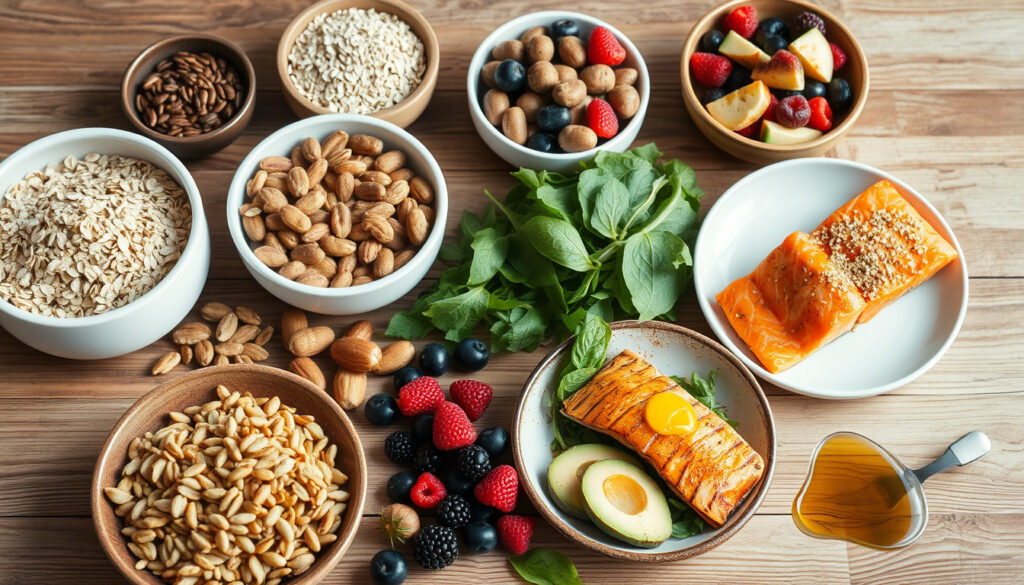
40 Foods to Lower Cholesterol: Oats, Nuts, Fish & More
If you’ve ever stared at a cholesterol test result and wondered whether your next meal could actually turn things around, you’re not alone. What lands on your plate can move those numbers—Mayo Clinic research confirms that 5 to 10 grams of soluble fiber daily decreases LDL cholesterol.
Oatmeal and high-fiber foods: Recommended by Mayo Clinic · Oily fish like salmon: Source of omega-3s per NHS · Nuts and soya foods: Cholesterol-busting per Heart UK · Six super foods: Unsaturated fats, fruits, oats · 40 heart-healthy foods: Listed by Women’s Health
Quick snapshot
- Oatmeal lowers LDL by binding cholesterol in the gut (Mayo Clinic)
- Fatty fish provides omega-3s to lower triglycerides (Mayo Clinic)
- Nuts contain unsaturated fats that lower total cholesterol (Prevention)
- Exact ranking of single most effective food varies by study
- Some food combinations may have synergistic effects that aren’t yet quantified
- Dietary changes show measurable LDL impact within 2–4 weeks
- Pair food swaps with movement for maximum effect
Here’s what major health authorities recommend for dietary cholesterol management:
| Food or nutrient | Daily or weekly target | Expected LDL impact | Source |
|---|---|---|---|
| Soluble fiber (oats, beans, apples) | 5–10 grams daily | 5–10% reduction | Mayo Clinic |
| Oat beta-glucan | ≥3 grams daily | 5–10% reduction | PMC |
| Fatty fish (salmon, mackerel) | Two 3.5-oz servings weekly | Lowers triglycerides, raises HDL | Prevention (citing AHA) |
| Plant sterols/stanols | 1.5–2.4 grams daily | 7–10% reduction in 2–3 weeks | PMC |
| Soy protein | 25 grams daily | 3–4% reduction over 6 weeks | PMC |
| Monounsaturated fats (olive oil, nuts, avocado) | Regular daily intake | Up to 14% reduction | PMC |
| Avocado | Two servings weekly | Lowers heart disease risk | Mayo Clinic |
| Fruits and vegetables | Five portions daily (NHS) | Soluble fiber and antioxidants | NHS |
What is the number one food to lower cholesterol?
Oats and barley
Oats take the top spot across every major health authority—from Mayo Clinic to the UK’s NHS. The mechanism is straightforward: soluble fiber binds to cholesterol particles in the digestive tract, escorting them out before absorption. Cooked oats offer 2 grams of soluble fiber per half-cup serving, and consuming ≥3 grams daily of oat beta-glucan can lower LDL by 5–10% (PMC). Barley works similarly.
Nuts
A handful of almonds or walnuts delivers unsaturated fats, omega-3 fatty acids, fiber, and plant sterols—all working in parallel to lower LDL and triglycerides. Tree nuts specifically reduce total cholesterol, LDL, and triglycerides (Prevention). NHS recommends nuts and seeds as part of a cholesterol-lowering diet (NHS).
Soya foods
Edamame, tofu, tempeh, and soy milk provide soy protein. Research from PMC shows that 25 grams of soy protein daily for at least 6 weeks lowers LDL by 3–4%—modest, but meaningful when stacked with other food changes. Heart UK includes soya among its top cholesterol-busting foods.
Oats win on mechanism clarity: soluble fiber binds cholesterol directly in the gut, backed by PMC meta-analysis. For patients needing a fast LDL win, oats deliver the most predictable dose-response relationship.
What must I not eat if I have high cholesterol?
Saturated fats
This is the number-one dietary enemy. NHS explicitly targets saturated fats as the primary driver of raised LDL. The mechanism: saturated fats stimulate hepatic LDL receptor activity, increasing circulating LDL. Replacing saturated with unsaturated fats lowers LDL by 10–15% (PMC).
Processed meats
Sausages, bacon, salami, and deli meats deliver concentrated saturated fat and cholesterol per gram. A single bacon rasher contains around 3g saturated fat—roughly 15% of the daily limit on a 2,000-calorie diet. WebMD places processed meats on the “foods to avoid” list alongside butter and full-fat cheese.
Full-fat dairy
Whole milk, butter, cream, and full-fat cheese are the main sources of dietary cholesterol and saturated fat. Mayo Clinic recommends replacing these with low-fat or plant-based alternatives. The trade-off: full-fat dairy is nutrient-dense in calcium, so switching to fortified plant milks preserves intake—fortified options often include vitamin D.
NHS makes the distinction clear: reducing saturated fats—not dietary cholesterol itself—is the primary dietary lever for lowering blood LDL. Patients who cut saturated fat while maintaining their fiber intake typically see the fastest results.
What is the best morning drink for cholesterol?
Green tea
Green tea contains catechins that reduce both total and LDL cholesterol (Prevention). A typical cup provides around 140mg of catechins—research from Prevention links this to measurable LDL reductions. The catch: effects are modest alone and stack best with dietary changes.
Oat milk
Oat milk fortified with beta-glucan offers 1 gram of soluble fiber per cup—modest but additive when consumed alongside oatmeal. Unflavored, unsweetened varieties are preferable to sweetened versions that add free sugars.
Sterol-fortified drinks
Some plant sterol-fortified drinks deliver 1–2 grams of plant sterols per serving. NHS supports plant sterols for 7–10% LDL reduction in 2–3 weeks. These work best when consumed with meals, as sterols compete with cholesterol for absorption in the intestines.
No morning drink replaces a poor diet. Green tea offers the best evidence-to-accessibility ratio, but patients should view it as a supplement to—not a substitute for—increased soluble fiber and reduced saturated fat.
What foods flush cholesterol out of your body?
Soluble fiber sources
High-fiber foods work by binding cholesterol in the gut for elimination. Mayo Clinic lists kidney beans, Brussels sprouts, apples, and pears as key soluble fiber sources. Beans of any variety—lentils, black beans, chickpeas—provide 5–10 grams of fiber per cooked cup (WebMD).
Omega-3 rich fish
Fatty fish provide omega-3 fatty acids that lower triglycerides, raise HDL, and reduce inflammation. NHS recommends mackerel, salmon, sardines, and trout. Mayo Clinic confirms that omega-3 sources like salmon and walnuts reduce blood pressure.
Vegetables like okra
Okra, eggplant, and other vegetables high in soluble fiber contribute to the binding effect. WebMD lists a broad range—tomatoes, broccoli, spinach, kale, celery, bell peppers—paired with fruits like strawberries, grapes, and pears. NHS sets a target of five portions of fruits and vegetables daily.
Soluble fiber works by preventing reabsorption—meaning the cholesterol exits, but the gut needs adequate water intake to clear the bound particles efficiently. Patients who increase fiber without drinking more water may experience constipation that counteracts the benefit.
Best snacks and specific foods for lowering cholesterol?
Nuts
Walnuts and almonds serve as portable, evidence-backed cholesterol-lowering snacks. Mayo Clinic highlights walnuts and flaxseed as sources of omega-3 fatty acids alongside their fiber and vitamin E content. A 30g handful (about a small fistful) provides 3–4g unsaturated fat without the saturated fat of cheese.
Fruits
Berries—blueberries, strawberries, raspberries—provide antioxidants that protect LDL from oxidation. Prevention highlights blueberries as cardioprotective, though exact quantification of their LDL effect varies. Apples and pears offer 1–2 grams of soluble fiber each.
Baked beans and potatoes?
Baked beans are a fiber powerhouse—half a tin provides around 8 grams of soluble fiber, on par with oatmeal. WebMD includes beans of all varieties among top cholesterol-lowering foods. Potatoes are more nuanced: they’re cholesterol-free but high on the glycemic index. Baked potatoes in moderation are not inherently cholesterol-raising—it’s what you top them with (butter, sour cream) that matters.
Eggs and cheese myths
Eggs contain about 186mg dietary cholesterol per large yolk, but research from Mayo Clinic shows dietary cholesterol has a smaller impact on blood cholesterol than saturated fat for most people. Three to four eggs per week is generally considered moderate intake within a heart-healthy diet. Full-fat cheese, however, delivers 6–7g saturated fat per ounce—the real culprit to limit.
Baked beans belong in the cholesterol-lowering toolkit; potatoes are neutral. The eggs-and-cheese question is simpler than it’s often framed: eggs in moderation are fine, but full-fat cheese is the item to portion-control for anyone watching LDL.
How to reduce cholesterol in 7 days and 30 days
A practical 7-day plan
- Day 1: Switch breakfast to oatmeal with berries. This alone adds 2g soluble fiber from oats plus antioxidants from fruit.
- Day 2: Add a handful of almonds or walnuts as a snack—roughly 30g.
- Day 3: Swap butter for olive oil at lunch. This single change shifts fat intake from saturated to unsaturated.
- Day 4: Replace a meat-based meal with salmon, tofu, or lentils.
- Day 5: Incorporate a sterol-fortified spread or drink with breakfast.
- Day 6: Add a second serving of fruit or vegetables—aim for five total portions today.
- Day 7: Review: are you hitting 5–10g soluble fiber? If not, add a serving of beans or an extra oat-based meal.
30-day LDL reduction roadmap
Consistency over four weeks compounds results. The PMC review confirms that dietary changes take effect over weeks, not days—plant sterols show measurable results in 2–3 weeks, while soy protein requires 6 weeks for a 3–4% LDL drop. After 30 days of sustained effort, a repeat lipid panel typically shows measurable LDL reduction.
- Weeks 1–2: Foundation phase—establish oatmeal or oat-bran breakfast, swap saturated fats for unsaturated, add nuts and seeds.
- Weeks 3–4: Build phase—incorporate two fatty fish meals weekly, add sterol-fortified products, hit five fruits and vegetables daily.
- Week 5–6: Optimization—assess LDL response, adjust portions, consider soy protein integration.
- Week 7+: Maintenance—sustain the habits that moved the needle; dietary change is most effective as a long-term pattern.
What experts say
Five to 10 grams or more of soluble fiber a day decreases your LDL cholesterol.
— Mayo Clinic
Aim to eat at least two 3.5-ounce servings of fatty fish like salmon, mackerel, tuna, trout, or herring per week, according to the American Heart Association.
— Prevention (citing AHA)
The NHS advises eating at least two portions of fish per week, ensuring one is an oily variety. Oily fish includes mackerel, salmon, sardines, trout, and herring.
— NHS
A diet high in monounsaturated fat—from olive oil, nuts, and avocado—lowered LDL-C by about 14% compared to a diet higher in saturated fat.
— PMC (Scientific Review)
Upsides
- Oats, fish, and nuts are widely accessible—no special dietary products required
- Soluble fiber from oats and beans provides 5–10% LDL reduction at 5–10g daily
- Plant sterols work fast—7–10% LDL drop in 2–3 weeks
- Unsaturated fats (olive oil, nuts, avocado) deliver up to 14% LDL reduction
- Whole dietary pattern is more effective than single-food interventions
Downsides
- Results vary by individual genetics, baseline LDL, and overall diet quality
- Plant sterols require fortified products—natural foods alone won’t reach 1.5–2.4g daily
- Soy protein needs consistent 25g daily intake over 6 weeks for modest 3–4% effect
- Fish-based recommendations may not suit vegetarians or those with fish allergies
- Green tea’s LDL effect is modest alone—stacks best with other dietary changes
The takeaway
For patients managing elevated LDL, the food landscape is clearer than ever: soluble fiber from oats and beans, omega-3s from fatty fish, and unsaturated fats from olive oil and nuts form the three-pillar foundation of dietary cholesterol management. Plant sterols offer a fast-acting fourth pillar for those who can access fortified products. The single biggest win available to most people: swapping saturated fats for unsaturated ones, starting with that morning butter-to-olive-oil change. Those willing to add a daily bowl of oatmeal alongside two weekly fish meals have the evidence stacked in their favour—real LDL reductions, measurable within weeks.
lolahealth.com, mayoclinic.org, store.mayoclinic.com, advetresearch.com, newsnetwork.mayoclinic.org
Pairing these 40 foods with approaches outlined in how to lower cholesterol naturally enables LDL reductions of 4-30% through diet rich in fiber and healthy fats.
Frequently asked questions
Are baked potatoes high in cholesterol?
No—potatoes contain no cholesterol. They’re starchy carbohydrates, not dietary cholesterol sources. What matters is what you put on them. A plain baked potato is neutral in a cholesterol-lowering diet; topping it with butter, cheese, or bacon bits shifts it into the “foods to limit” category.
Are baked beans good for lowering cholesterol?
Yes. Baked beans are among the best cholesterol-lowering foods available—half a tin provides roughly 8 grams of soluble fiber, on par with a bowl of oatmeal. Beans of all varieties (kidney beans, lentils, chickpeas, black beans) provide the soluble fiber that binds cholesterol in the gut for elimination.
Can I eat eggs and cheese with high cholesterol?
Moderation is the key difference. Eggs contain dietary cholesterol but research shows dietary cholesterol has a smaller impact on blood LDL than saturated fat for most people—3 to 4 eggs per week is generally considered moderate within a heart-healthy diet. Full-fat cheese, however, delivers 6–7g saturated fat per ounce and is the item to portion-control.
Does toast lower cholesterol?
Plain toast from whole-grain bread can contribute to cholesterol reduction—whole grains provide 5–10g soluble fiber daily to lower LDL absorption per Prevention. However, what you spread on toast matters. Butter and full-fat cheese negate any benefit; opt for nut butter, avocado, or no spread to keep toast in the cholesterol-lowering toolkit.
What are the six super foods that lower cholesterol?
Heart UK identifies six key categories: foods rich in unsaturated fats (olive oil, nuts, avocados), oily fish, soluble fiber sources (oats, beans, pulses), plant sterols/stanols, soy products, and fruits and vegetables. Individual foods that span multiple categories—like walnuts (unsaturated fat + omega-3 + fiber) or soybeans (soy protein + fiber)—offer compounded benefits.
What reduces cholesterol quickly naturally?
Plant sterols/stanols at 1.5–2.4 grams daily reduce LDL by 7–10% in 2–3 weeks—the fastest natural intervention per PMC research. Soluble fiber from oats delivers 5–10% LDL reduction at 5–10g daily but requires consistent intake. Combining both with unsaturated fat swaps (olive oil instead of butter) compounds the effect within the first month.
How to reduce cholesterol in 7 days?
Seven days is early for a lipid panel result, but you can establish the dietary foundation immediately: switch to oatmeal or oat-bran breakfast, add a handful of walnuts or almonds as a snack, swap butter for olive oil, and incorporate at least one sterol-fortified drink or spread. These changes activate the cholesterol-lowering mechanisms from day one.
How to reduce cholesterol in 30 days?
Thirty days of consistent dietary change—daily oats or bean-based meals, two fatty fish servings per week, olive oil as the primary fat, nuts as a snack, and five fruits and vegetables daily—typically produces measurable LDL reduction on a repeat lipid panel. Plant sterol-fortified products accelerate this. The PMC review confirms that dietary changes take effect over weeks; a follow-up test at 4–6 weeks captures the trend.
More related posts
 Recalled Spring Mulberry Flavors: Full List and FDA Details
 Canal Boats for Sale: Complete Buyer’s Guide for UK & Ireland
 Roman Kemp: Depression, Wig, Girlfriend, and Best Friend’s Death
 Restaurants Near Me for Dinner: Best Picks & Irish Tips
 Night Agent Season 3: Release Date, Cast, Rose Status & Reviews
 Lauren Hashian: Dwayne Johnson’s Wife & Her Music Career
 B&Q Chelmsford: Opening Hours, Parking & Senior Discounts